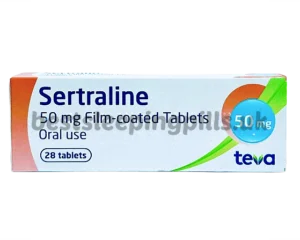
Teva Sertraline 50mg Tablets: Depression, Anxiety & OCD Treatment UK Guide
Teva Sertraline 50mg Tablets contain 50mg of sertraline, a selective serotonin reuptake inhibitor (SSRI) antidepressant. Sertraline is prescribed for several mental health conditions, including major depressive episodes, obsessive-compulsive disorder (OCD), panic disorder, social anxiety disorder, and post-traumatic stress disorder (PTSD). It is a prescription-only medication and should be taken according to the directions provided by a healthcare professional.
Sertraline 50mg is the usual starting dose for adults being treated for depression or OCD. For panic disorder, PTSD, and social anxiety disorder, treatment is generally introduced at 25mg once daily before being increased to 50mg after one week. The appropriate dose and duration of treatment depend on the condition being treated, individual response, tolerability, and medical history.
What Is Teva Sertraline 50mg Used For?
- Major Depressive Episodes: Sertraline is used to treat major depressive episodes and may also be prescribed for longer-term prevention of recurrent depression.
- Obsessive-Compulsive Disorder: Sertraline is indicated for OCD in adults and children or adolescents aged 6 to 17 years. Treatment may need to continue for an extended period depending on the individual’s response.
- Panic Disorder: Sertraline can be prescribed for panic disorder, including cases with or without agoraphobia.
- Social Anxiety Disorder: Sertraline is used to manage social anxiety disorder, where persistent anxiety in social situations can interfere with everyday activities.
- Post-Traumatic Stress Disorder: Sertraline is also indicated for PTSD and may form part of an overall treatment plan.
- Prescription Treatment: Sertraline is available only on prescription. The 50mg strength should be taken according to the prescribed treatment plan rather than adjusted independently.
How Does Teva Sertraline 50mg Work?
Sertraline belongs to the SSRI class of antidepressants. It works primarily by reducing the reuptake of serotonin within the brain, allowing this neurotransmitter to remain available between nerve cells for longer. Serotonin is involved in communication between nerve cells and contributes to the regulation of mood and emotional responses. By altering serotonin signalling, sertraline can help reduce symptoms associated with depression, anxiety-related disorders, OCD, panic disorder, and PTSD. The effects of sertraline are not usually immediate. Some changes may become noticeable during the early stages of treatment, but a more established therapeutic response can take longer, particularly when sertraline is being used for OCD.
How to Take Teva Sertraline 50mg Tablets
- Follow Medical Advice: Take sertraline exactly as prescribed by your doctor or pharmacist. Do not change the amount you take or alter the frequency without professional guidance.
- Once-Daily Dose: Sertraline is normally taken once a day. It can generally be taken either in the morning or evening, depending on the prescribed routine and how the medication affects you.
- With or Without Food: Sertraline tablets can be taken with or without food. Taking the tablet at approximately the same time each day can help maintain a consistent treatment routine.
- Depression and OCD: The usual adult starting dose for major depressive episodes and OCD is 50mg once daily.
- Panic Disorder, PTSD and Social Anxiety: Treatment for panic disorder, PTSD, and social anxiety disorder normally begins with 25mg once daily. The dose is generally increased to 50mg once daily after one week.
- Dose Adjustment: If the initial treatment response is insufficient, a healthcare professional may increase the dose in 50mg steps. Dose increases should normally be separated by at least one week, with a maximum recommended dose of 200mg per day for adults.
- Treatment Response: Sertraline may begin to show therapeutic effects within the first week, but a longer period is often required before the full response becomes clear. OCD in particular may require a longer treatment period.
- Long-Term Treatment: For depression, treatment is generally continued for at least six months after recovery to help reduce the risk of symptoms returning. The length of treatment for other conditions should be reviewed regularly by the prescriber.
Teva Sertraline 50mg Side Effects
Sertraline can cause side effects, although not everyone experiences them. Some effects are more noticeable when treatment is first started and may become less troublesome as the body adjusts.
- Nausea
- Vomiting
- Headache
- Dizziness
- Dry mouth
- Drowsiness
- Diarrhoea
- Sexual dysfunction
- Difficulty sleeping
- Increased sweating
- Tiredness or fatigue
- Changes in appetite or weight
Sertraline can affect the digestive system, sleep, alertness, appetite, sweating, and sexual function. If side effects are persistent, severe, or concerning, medical advice should be sought.
Important Warnings and Precautions
- MAOIs: Sertraline must not be combined with certain monoamine oxidase inhibitors because serious interactions can occur. Appropriate medical supervision is required when changing between these treatments.
- Other Medicines: Inform your doctor or pharmacist about prescription medicines, over-the-counter treatments, antidepressants, painkillers, anticoagulants, herbal products, and supplements before starting sertraline.
- Bleeding Risk: Sertraline can increase bleeding risk when used with certain medicines, including some anticoagulants and non-steroidal anti-inflammatory drugs.
- St John’s Wort: St John’s Wort may interact with sertraline and should not be taken alongside it unless specifically advised by a healthcare professional.
- Mental Health Changes: Seek medical advice if depression becomes worse, unusual behavioural changes develop, or thoughts of self-harm occur during treatment.
- Liver Problems: People with liver impairment may require a lower dose or less frequent dosing. Sertraline should be used carefully in patients with liver disease.
- Older Adults: Older people may be more susceptible to certain adverse effects, including low sodium levels in the blood, and may require closer monitoring.
- Driving and Machinery: Dizziness, drowsiness, or reduced alertness can occur. Do not drive, cycle, or operate machinery until you know how sertraline affects you.
Stopping Teva Sertraline 50mg Treatment
Sertraline should generally not be stopped suddenly. Abrupt discontinuation can cause withdrawal symptoms, particularly after regular or prolonged treatment. When treatment is no longer required, the dose is usually reduced gradually under the supervision of a healthcare professional.
Frequently Asked Questions
Is Sertraline 50mg a normal starting dose?
Yes. For adults being treated for depression or OCD, 50mg once daily is the usual starting dose. For panic disorder, PTSD, and social anxiety disorder, treatment normally begins at 25mg daily before increasing to 50mg after one week.
Does Teva Sertraline 50mg make you sleepy?
Drowsiness can occur with sertraline, although some people may experience difficulty sleeping instead. If you feel sleepy, dizzy, or less alert, avoid driving or operating machinery until you know how the medication affects you.
How long does Sertraline 50mg take to work?
Some therapeutic effects may become noticeable during the first week, but the full response can take longer. OCD may require a particularly extended treatment period before significant improvement is established.
Can I take Sertraline 50mg with food?
Yes. Sertraline tablets can generally be taken with or without food. Taking the tablet consistently at the same time each day can help maintain a regular treatment routine.
What should I do if I miss a Sertraline 50mg dose?
Follow the missed-dose instructions provided with your medication or contact your pharmacist for advice. Do not take an extra dose to compensate unless a healthcare professional specifically tells you to do so.
Can I stop taking Sertraline 50mg suddenly?
Sertraline should not normally be stopped abruptly. Gradual dose reduction is generally recommended to reduce the likelihood of discontinuation symptoms, with the tapering schedule determined by the prescribing healthcare professional.