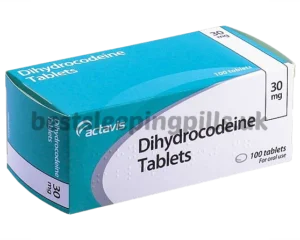
Actavis Dihydrocodeine 30mg Tablets: Moderate to Severe Pain UK Guide
Actavis Dihydrocodeine 30mg Tablets contain 30 mg of dihydrocodeine, a centrally acting opioid analgesic used for the treatment of moderate to severe pain. Dihydrocodeine works within the central nervous system to reduce the transmission and perception of pain signals.
Dihydrocodeine 30 mg is a standard oral tablet strength. The appropriate dose depends on pain severity, individual response, age and other medical circumstances. Because repeated or prolonged opioid treatment can cause tolerance, dependence, addiction and withdrawal symptoms, dihydrocodeine should be used at the lowest effective dose for the shortest clinically appropriate duration under medical supervision.
What Is Actavis Dihydrocodeine 30mg Used For?
- Moderate to Severe Pain: Dihydrocodeine is used to treat moderate to severe pain when an opioid analgesic is considered clinically appropriate.
- Acute Pain: Standard-release dihydrocodeine may be prescribed for certain acute painful conditions, including pain following an operation or serious injury.
- Chronic Pain: Dihydrocodeine may sometimes be prescribed for pain associated with longer-term conditions when weaker painkillers have not provided sufficient relief.
- Centrally Acting Analgesia: Dihydrocodeine acts within the central nervous system to modify the transmission and perception of painful stimuli.
- Prescription Treatment: Dihydrocodeine is a prescription-only opioid medicine in the UK and should be used according to the directions of a healthcare professional.
- Individualised Treatment: The appropriate dose depends on pain severity, individual response, age, kidney and liver function and other clinical factors.
Dihydrocodeine treatment requires careful assessment because opioid medicines can cause sedation, respiratory depression, tolerance, dependence and addiction, particularly when used regularly or for prolonged periods.
How Does Actavis Dihydrocodeine 30mg Work?
Dihydrocodeine is a centrally acting opioid analgesic that works within the brain and central nervous system. Its opioid activity modifies the transmission and perception of pain signals, reducing the way the body responds to painful stimuli. This central action produces analgesic effects, although the degree of pain relief and response to treatment can vary between individuals.
How to Take Actavis Dihydrocodeine 30mg Tablets
- Oral Administration: Take Dihydrocodeine 30mg Tablets by mouth exactly as prescribed by your doctor or pharmacist.
- Adults and Children 12+: Standard-release dihydrocodeine may be prescribed for adults and children aged 12 years and over when clinically appropriate.
- Usual Adult Dose: For standard 30 mg tablets, the usual dose is 30 mg every 4 to 6 hours when required, according to the prescription.
- Maximum Daily Dose: The maximum recommended amount for standard 30 mg tablets is 180 mg in 24 hours unless a healthcare professional provides different clinical instructions.
- Individual Dose Selection: The prescribed dose may vary according to pain severity, individual response, age and other medical circumstances.
- Special Patient Groups: Older adults and people with significant kidney or liver problems may require individualised dosing and medical assessment.
- With Food: Dihydrocodeine is generally best taken with or soon after a meal or snack, particularly if it causes nausea.
- Treatment Duration: Dihydrocodeine should be used for the shortest clinically appropriate period. Prolonged or repeated treatment requires regular review because of the risks of tolerance, dependence and addiction.
Doses should be spaced according to the prescribed schedule, and the prescribed amount should not be increased, reduced or repeated without medical advice. Standard tablets should be swallowed with a drink of water.
Actavis Dihydrocodeine 30mg Side Effects
Dihydrocodeine can cause opioid-related effects affecting the nervous system, digestion, alertness and coordination. Individual responses vary depending on the dose and duration of treatment.
- Nausea
- Headache
- Vomiting
- Dizziness
- Dry Mouth
- Confusion
- Drowsiness
- Constipation
- Reduced Alertness
- Sleep Disturbance
- Impaired Coordination
Important Warnings and Precautions
- Alcohol: Alcohol can increase the sedative and impairing effects of dihydrocodeine and should generally be avoided during treatment.
- Opioids and Sedatives: Combining dihydrocodeine with other opioids, benzodiazepines or sedative medicines can increase the risk of severe sedation and respiratory depression.
- CNS Depressants: Other medicines that depress the central nervous system can increase drowsiness, reduced alertness and breathing-related risks.
- Other Painkillers: Tell your doctor or pharmacist about other pain medicines you are taking because combinations may increase opioid-related adverse effects or result in unintended duplication of treatment.
- Dependence and Addiction: Regular or prolonged dihydrocodeine use can cause tolerance, physical dependence and addiction, including when taken as prescribed.
- Withdrawal Symptoms: Stopping dihydrocodeine suddenly after regular or prolonged use can cause anxiety, sweating, poor sleep, nausea, restlessness, muscle twitching and other withdrawal symptoms.
- Gradual Discontinuation: Regular treatment should normally be reduced gradually under medical supervision rather than stopped suddenly.
- Respiratory Depression: Slow or shallow breathing can occur, particularly following excessive doses or when dihydrocodeine is combined with alcohol, opioids, sedatives or other CNS depressants.
- Driving and Machinery: Dihydrocodeine can cause drowsiness, dizziness, reduced alertness, impaired concentration and coordination. Do not drive or operate machinery if you feel affected.
- Seizures: Seizures or fits can occur and require urgent medical assessment, particularly when other risk factors are present.
- Severe Allergic Reactions: Swelling of the face, lips, mouth, throat or tongue, breathing difficulties or other signs of severe allergy require urgent medical attention.
Dihydrocodeine should be taken exactly as prescribed. Extra caution is required when treatment is started, the dose is changed or other medicines that cause sedation are taken at the same time.
Stopping Actavis Dihydrocodeine 30mg Treatment
Dihydrocodeine should not normally be stopped suddenly after regular or prolonged use because withdrawal symptoms can occur. A healthcare professional can gradually reduce the dose where appropriate to minimise withdrawal effects and monitor the underlying pain. Pain or other symptoms may temporarily worsen after treatment is stopped.
Frequently Asked Questions
Is Dihydrocodeine 30mg a standard dose?
Yes. Dihydrocodeine 30 mg is a standard oral tablet strength. The usual dose for standard-release 30 mg tablets may be 30 mg every 4 to 6 hours when required, but the exact regimen should follow the individual prescription.
How quickly does Dihydrocodeine 30mg work?
Standard-release dihydrocodeine is intended to provide pain relief after an oral dose, although the onset and degree of relief vary between individuals. The response also depends on the type and severity of pain.
Can Dihydrocodeine 30mg be taken every day?
Dihydrocodeine may be prescribed regularly when clinically appropriate, including for some longer-lasting pain conditions. However, regular or prolonged use increases the risk of tolerance, dependence and addiction, so continued treatment should be reviewed by a healthcare professional.
Can Dihydrocodeine 30mg be taken with food?
Yes. Dihydrocodeine can generally be taken with or soon after food. Taking it with a meal or snack may be helpful if the medicine causes nausea.
Can Dihydrocodeine 30mg cause dependence?
Yes. Dihydrocodeine is an opioid and can cause tolerance, physical dependence and addiction, particularly with regular or prolonged use. The risk varies between individuals and increases with longer treatment and higher exposure.
Can Dihydrocodeine 30mg cause withdrawal symptoms?
Yes. Stopping dihydrocodeine suddenly after regular or prolonged use can cause withdrawal symptoms such as anxiety, sweating, poor sleep, nausea, restlessness and muscle twitching. Gradual dose reduction under medical supervision can help reduce these effects.