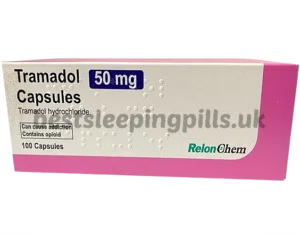
Relonchem Tramadol 50mg Capsules: Moderate to Severe Pain UK Guide
Relonchem Tramadol 50mg Capsules contain 50 mg of tramadol hydrochloride, a centrally acting opioid analgesic used for the treatment of moderate to severe pain. Tramadol produces pain-relieving effects through opioid activity and by affecting noradrenaline and serotonin reuptake within the central nervous system.
Tramadol 50 mg is a standard oral capsule strength, but the appropriate dose depends on pain severity, individual response, age, kidney and liver function, and other medical circumstances. Because tramadol can cause tolerance, dependence, addiction and withdrawal symptoms, treatment should use the lowest effective dose for the shortest clinically appropriate duration under medical supervision.
What Is Relonchem Tramadol 50mg Used For?
- Moderate to Severe Pain: Tramadol is used to treat moderate to severe pain when an opioid analgesic is considered clinically appropriate.
- Acute Pain: Standard-release tramadol may be prescribed for certain acute painful conditions when opioid analgesia is required.
- Chronic Pain: Tramadol may be prescribed for pain associated with chronic conditions, although continued treatment should be reviewed regularly because of the risks associated with prolonged opioid use.
- Centrally Acting Analgesia: Tramadol acts within the central nervous system to reduce the perception and response to painful stimuli.
- Prescription Treatment: Tramadol is a prescription-only opioid medicine in the UK and is subject to controlled-drug requirements.
- Individualised Treatment: The dose is selected according to pain severity, treatment response, age, kidney and liver function, previous analgesic treatment and other clinical factors.
Tramadol treatment should be individually assessed because the benefits of opioid analgesia need to be balanced against potential risks including sedation, respiratory depression, dependence, addiction and withdrawal.
How Does Relonchem Tramadol 50mg Work?
Tramadol is a centrally acting opioid analgesic with a dual mechanism of action. It acts as a weak agonist at mu-opioid receptors while also inhibiting the reuptake of noradrenaline and serotonin. These actions affect pain-processing pathways within the central nervous system and contribute to its analgesic effects. The combined mechanisms help reduce the perception of pain, although individual response can vary.
How to Take Relonchem Tramadol 50mg Capsules
- Oral Administration: Take Tramadol 50mg Capsules by mouth exactly as prescribed by your doctor or pharmacist.
- Adults and Adolescents: Tramadol may be prescribed for adults and adolescents aged 12 years and over when clinically appropriate, with the dose determined according to the type and severity of pain.
- Acute Pain: For acute pain, an initial dose of 100 mg may be required, followed by 50 mg or 100 mg at intervals of 4 to 6 hours when necessary, according to the prescription.
- Chronic Pain: For chronic pain, treatment may begin with 50 mg followed by careful adjustment according to pain severity, response and tolerability.
- Maximum Daily Dose: The total daily dose should generally not exceed 400 mg except in specific clinical circumstances determined by a healthcare professional.
- Special Patient Groups: Older adults and people with kidney or liver impairment may require adjusted dosing or longer intervals between doses.
- With or Without Food: Tramadol capsules can generally be taken with or without food and should be swallowed whole with sufficient liquid.
- Treatment Duration: Tramadol should be used for the shortest clinically appropriate period. Regular or prolonged treatment requires ongoing review because of the risks of tolerance, dependence and addiction.
The prescribed dose should not be increased, reduced or repeated without medical advice. When tramadol has been taken regularly for an extended period, treatment should normally be reduced gradually rather than stopped suddenly.
Relonchem Tramadol 50mg Side Effects
Tramadol can cause opioid-related and central nervous system effects. Side effects may vary depending on the dose, duration of treatment and individual response.
- Nausea
- Headache
- Vomiting
- Sweating
- Dizziness
- Dry Mouth
- Confusion
- Tiredness
- Drowsiness
- Constipation
- Sleep Disturbance
- Reduced Alertness
- Impaired Coordination
- Difficulty Concentrating
Important Warnings and Precautions
- Alcohol: Alcohol can increase tramadol-related sedation and impairment and should generally be avoided during treatment.
- Opioids and Sedatives: Combining tramadol with other opioids, benzodiazepines or sedative medicines can increase the risk of severe sedation and respiratory depression.
- CNS Depressants: Other medicines that depress the central nervous system can increase drowsiness, reduced alertness and breathing-related risks.
- MAO Inhibitors: Tramadol must not be used with monoamine oxidase inhibitors or within the relevant period after stopping them because of potentially serious interactions.
- Antidepressants: Medicines affecting serotonin or noradrenaline pathways can increase the risk of serotonin syndrome or seizures when combined with tramadol.
- Respiratory Depression: Slow or shallow breathing can occur, particularly with excessive doses or when tramadol is combined with other medicines that depress the central nervous system.
- Seizures: Tramadol can increase seizure risk, particularly at higher doses or when combined with medicines that lower the seizure threshold.
- Serotonin Syndrome: Agitation, confusion, sweating, fever, tremor, muscle rigidity or rapid changes in heart rate can indicate serotonin syndrome and require urgent medical assessment.
- Dependence and Addiction: Regular or prolonged tramadol use can cause tolerance, physical dependence and addiction, including when taken as prescribed.
- Driving and Machinery: Tramadol can cause drowsiness, dizziness, reduced alertness and impaired coordination. Do not drive or operate machinery if you feel affected.
- Severe Allergic Reactions: Swelling of the face, lips, tongue or throat, breathing difficulties or other signs of a severe allergic reaction require urgent medical attention.
Tramadol should be taken exactly as prescribed. Particular caution is required when treatment is started, the dose is increased or tramadol is combined with other medicines that can cause sedation or affect serotonin levels.
Stopping Relonchem Tramadol 50mg Treatment
Tramadol should not normally be stopped suddenly after regular or prolonged use because withdrawal symptoms can occur. These may include anxiety, agitation, sweating, tremor, insomnia, nausea and other physical or psychological symptoms. A healthcare professional can gradually reduce the dose where appropriate to minimise withdrawal effects and monitor the underlying pain.
Frequently Asked Questions
Is Tramadol 50mg a standard dose?
Yes. Tramadol 50 mg is a standard oral capsule strength, but the appropriate dose varies according to the severity of pain, individual response, age, kidney and liver function and other clinical factors. The prescribed dose should always be followed.
How quickly does Tramadol 50mg work?
Tramadol is an immediate-release opioid analgesic when supplied as a standard capsule, and pain relief can begin after taking a dose. The exact onset and degree of pain relief vary between individuals and depend on the type and severity of pain.
Can Tramadol 50mg be taken with food?
Yes. Standard tramadol capsules can generally be taken with or without food. They should be swallowed whole with sufficient liquid and taken according to the prescribed schedule.
Can Tramadol 50mg be taken every day?
Tramadol may be prescribed regularly when clinically appropriate, including for some longer-lasting pain conditions. However, prolonged or repeated use increases the risks of tolerance, dependence and addiction, so continued treatment should be regularly reviewed by a healthcare professional.
Can Tramadol 50mg cause dependence?
Yes. Tramadol can cause tolerance, physical dependence and addiction, particularly with regular or prolonged use. The risk varies between individuals and can increase with higher doses and longer treatment periods.
Can Tramadol 50mg cause withdrawal symptoms?
Yes. Stopping tramadol suddenly after regular or prolonged treatment can cause withdrawal symptoms such as anxiety, agitation, sweating, tremor, insomnia and nausea. Gradual dose reduction under medical supervision may help reduce these effects.