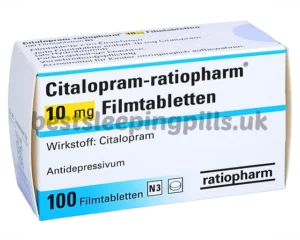
Ratiopharm Citalopram 10mg Tablets: Depression, Anxiety & Panic Disorder UK Guide
Ratiopharm Citalopram 10 mg Tablets contain 10 mg of citalopram, a selective serotonin reuptake inhibitor (SSRI) antidepressant used for the treatment of major depressive episodes and panic disorder, including panic disorder with or without agoraphobia. Citalopram selectively inhibits serotonin reuptake, increasing serotonin availability between nerve cells and supporting neurotransmitter activity involved in mood regulation.
The 10 mg tablet is particularly relevant as the recommended starting dose for panic disorder, while the usual adult dose for major depressive episodes is generally 20 mg once daily. The dose may be adjusted by a prescriber according to response and individual circumstances. Citalopram is generally taken once daily, with or without food, and therapeutic improvement may take several weeks.
What Is Ratiopharm Citalopram 10mg Used For?
- Major Depressive Episodes: Citalopram is indicated for the treatment of major depressive episodes.
- Panic Disorder: Citalopram is prescribed for panic disorder with or without agoraphobia.
- Depression Symptoms: Citalopram affects serotonin signalling as part of treatment for symptoms associated with depressive illness.
- Panic Symptoms: Treatment can help manage symptoms associated with panic disorder as part of an individualised treatment plan.
- Prescription Treatment: Citalopram is a prescription medicine and should be taken according to a healthcare professional’s instructions.
- Lower-Strength Treatment: The 10 mg tablet provides a lower citalopram strength that is particularly relevant when treatment for panic disorder is initiated at a lower dose.
The appropriate citalopram dose depends on the condition being treated, age, response to treatment and other medical factors. For depression, the usual adult dose is generally 20 mg once daily, while panic disorder treatment commonly starts at 10 mg daily before the dose is increased according to clinical response.
How Does Ratiopharm Citalopram 10mg Work?
Citalopram selectively inhibits the reuptake of serotonin by nerve cells in the brain, increasing serotonin availability for signalling between nerve cells. This action supports neurotransmitter activity involved in mood regulation and is relevant to the treatment of depression and panic disorder. Citalopram does not normally provide immediate therapeutic relief, and improvement may take several weeks. Panic disorder may require a longer period of consistent treatment before a full therapeutic response is achieved.
How to Take Ratiopharm Citalopram 10mg Tablets
- Swallow Whole: Swallow the tablet with water or another suitable fluid.
- Adults: The prescribed dose depends on the condition being treated and the individual’s response to treatment.
- Once-Daily Dose: Citalopram is normally taken once daily.
- Special Patient Groups: Lower doses may be required for older adults and patients with certain medical conditions, including liver impairment.
- Morning or Evening: Citalopram may generally be taken in the morning or evening, preferably at the same time each day.
- Older Adults: Patients over 65 are generally treated with lower doses, with the recommended maximum dose limited to 20 mg daily.
- With or Without Food: Citalopram can normally be taken with or without food.
- Treatment Duration: Treatment for depression is generally continued for an appropriate period after symptoms improve, while discontinuation should normally involve gradual dose reduction.
For panic disorder, the recommended starting dose is generally 10 mg once daily for the first week, followed by 20 mg daily. The dose may be increased according to individual response, subject to the applicable maximum dose. Patients with mild or moderate liver impairment are generally started at 10 mg daily, with a maximum of 20 mg daily.
Ratiopharm Citalopram 10mg Side Effects
Citalopram can cause side effects, particularly during the early stages of treatment. Recognised effects include:
- Nausea
- Tremor
- Fatigue
- Headache
- Vomiting
- Dizziness
- Dry Mouth
- Diarrhoea
- Sleepiness
- Constipation
- Reduced Libido
- Difficulty Sleeping
- Erectile Difficulties
- Increased Sweating
- Abdominal Discomfort
- Ejaculation Problems
Important Warnings and Precautions
- MAOIs: Citalopram must not be combined with certain monoamine oxidase inhibitors because of the risk of serious reactions, including serotonin syndrome.
- QT-Prolonging Medicines: Citalopram should not be combined with certain medicines known to prolong the QT interval because of the risk of serious heart-rhythm abnormalities.
- Serotonin Syndrome: Combining citalopram with other serotonergic medicines can increase the risk of excessive serotonergic activity and potentially serious symptoms.
- Heart Rhythm Changes: Citalopram can cause dose-dependent QT-interval prolongation and, rarely, serious ventricular arrhythmias in susceptible patients.
- Bleeding Risk: Medicines that affect blood clotting, including NSAIDs and anticoagulants, can increase bleeding risk when combined with citalopram.
- Driving and Machinery: Citalopram can affect attention, concentration and reaction ability in some patients, particularly when treatment begins.
- Suicidal Thoughts: Worsening mood or suicidal thoughts can occur during antidepressant treatment, particularly during the early stages or after treatment changes, and require prompt medical attention.
- Mania: Citalopram can trigger a manic episode in susceptible individuals.
- Withdrawal Symptoms: Stopping citalopram suddenly can cause dizziness, unusual sensory sensations, sleep disturbance, anxiety, nausea, sweating and other withdrawal effects.
- Gradual Discontinuation: Citalopram should normally be reduced gradually under medical guidance rather than stopped abruptly.
- Other Medicines: Serotonergic medicines, QT-prolonging medicines, NSAIDs, anticoagulants and other interacting medicines should be discussed with a doctor or pharmacist.
Citalopram has important cardiac, interaction and discontinuation considerations. Particular care is required in patients with relevant heart conditions or those taking medicines that affect serotonin, cardiac rhythm or blood clotting.
Stopping Ratiopharm Citalopram 10mg Treatment
Citalopram should not normally be stopped abruptly after regular treatment. Withdrawal symptoms can include dizziness, unusual sensory sensations, sleep disturbance, anxiety, nausea, sweating and headache. Treatment should generally be discontinued through gradual dose reduction under medical guidance, with the reduction period adjusted according to the individual’s circumstances.
Frequently Asked Questions
Is Citalopram 10mg a low dose?
Citalopram 10 mg is a lower tablet strength and is particularly relevant as the recommended starting dose for panic disorder. For adults with major depressive episodes, the usual recommended dose is generally 20 mg once daily.
How long does Citalopram 10mg take to work?
Citalopram does not usually provide immediate therapeutic relief. Improvement may take several weeks, while panic disorder may require a longer period before a full response is achieved.
Can Citalopram 10mg be taken at night?
Citalopram can generally be taken in the morning or evening. Taking it consistently at approximately the same time each day can help maintain a regular treatment routine.
Can Citalopram 10mg be taken with food?
Yes. Citalopram can normally be taken with or without food.
Can Citalopram 10mg cause withdrawal symptoms?
Yes. Stopping citalopram suddenly can cause withdrawal symptoms such as dizziness, unusual sensory sensations, sleep disturbance, anxiety and nausea. Gradual dose reduction is generally recommended when treatment is discontinued.
Can Citalopram 10mg affect heart rhythm?
Citalopram can affect the heart’s electrical activity by prolonging the QT interval. In susceptible individuals, this can increase the risk of serious abnormal heart rhythms, particularly at higher doses or when combined with certain medicines.