
Royal Mail Special Delivery Guaranteed by 1pm

We Accept

uk meds payment method

Get 10% off on every order!

Apply Code

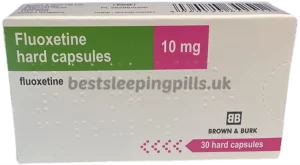
Fluoxetine 10mg Capsules (Prozac)

£54.99

Pack Size: 30-Capsule Pack

Product Categories: Product Tags:

Fluoxetine 10mg Capsules (Prozac): Depression, OCD & Bulimia UK Guide

Fluoxetine 10 mg Capsules (Prozac) contain 10 mg of fluoxetine, a selective serotonin reuptake inhibitor (SSRI) antidepressant prescribed for conditions including major depressive episodes, obsessive-compulsive disorder (OCD) and bulimia nervosa. Fluoxetine affects serotonin signalling in the brain and is used as part of treatment for depressive and obsessive-compulsive symptoms, as well as bulimia nervosa in adults.

Fluoxetine does not usually produce an immediate therapeutic response, and improvement may take several weeks of consistent treatment. The 10 mg capsule provides a lower strength that may be used when a lower dose is clinically appropriate, while the usual adult dose for major depressive episodes and OCD is generally 20 mg once daily. Fluoxetine can normally be taken with or without food, and treatment should follow the prescribed dosing schedule.

What Is Fluoxetine 10mg Used For?

  •  Major Depressive Episodes: Fluoxetine is indicated for the treatment of major depressive episodes in adults.
  •  Obsessive-Compulsive Disorder: It is prescribed for OCD in adults to help manage obsessive and compulsive symptoms.
  •  Bulimia Nervosa: Fluoxetine is indicated as an adjunct to psychotherapy for reducing binge-eating and purging activity in adults with bulimia nervosa.
  •  Depressive Symptoms: Fluoxetine affects serotonin signalling as part of treatment for symptoms associated with depressive illness.
  •  Prescription Treatment: Fluoxetine is a prescription-only medicine in the UK and should be taken according to a healthcare professional’s instructions.
  •  Lower-Strength Treatment: The 10 mg capsule provides a lower fluoxetine strength that may be appropriate in certain clinical circumstances.

The appropriate fluoxetine dose depends on the condition being treated, individual response, age and other clinical factors. A 10 mg capsule should not be assumed to represent the standard adult dose for every indication.

How Does Fluoxetine 10mg Work?

Fluoxetine selectively inhibits the reuptake of serotonin by nerve cells in the brain, increasing the availability of serotonin for signalling between nerve cells. This action supports neurotransmitter activity involved in mood regulation and is relevant to the treatment of depression and OCD, while fluoxetine is also used as part of treatment for bulimia nervosa. Its therapeutic effects develop gradually rather than immediately, so consistent treatment over several weeks may be required before meaningful improvement becomes apparent. Because fluoxetine and its active metabolite remain in the body for an extended period, changes in treatment should be made under appropriate medical guidance.

How to Take Fluoxetine 10mg Capsules

  •  Swallow Whole: Swallow the capsule with water rather than opening or chewing it.
  •  Adults: The prescribed dose depends on the condition being treated and the individual’s response to treatment.
  • Once-Daily Dose: Fluoxetine is generally taken once daily according to the prescribed regimen.
  •  Special Patient Groups: Lower or adjusted doses may be appropriate for certain patients depending on age, medical conditions and other medicines.
  •  Consistent Timing: Take fluoxetine consistently at approximately the same time each day unless your prescriber advises otherwise.
  •  Older Patients: Older adults may require careful assessment when the dose is selected or adjusted.
  •  With or Without Food: Fluoxetine capsules can normally be taken with or without food.
  •  Treatment Duration: Treatment may continue for several months or longer depending on the condition and response, with discontinuation managed according to medical advice.

For adults with major depressive episodes or OCD, the usual recommended dose is generally 20 mg once daily, while some patients may require a lower dose initially. For bulimia nervosa, the licensed adult treatment regimen is generally 60 mg daily under medical supervision. Doses should only be changed by the prescribing healthcare professional.

Fluoxetine 10mg Side Effects

Fluoxetine can cause side effects, particularly during the early stages of treatment. Recognised effects include:

  • Nausea
  • Headache
  • Vomiting
  • Sweating
  • Dizziness
  • Diarrhoea
  • Dry Mouth
  • Drowsiness
  • Constipation
  • Blurred Vision
  • Weight Changes
  • Sexual Problems
  • Sleep Disturbance

Important Warnings and Precautions

  • Alcohol: Alcohol may worsen side effects such as dizziness or drowsiness and should be discussed with a healthcare professional.
  • MAOIs: Fluoxetine must not be combined with certain monoamine oxidase inhibitors because of the risk of serious interactions.
  • Serotonin Syndrome: Combining fluoxetine with other serotonergic medicines can rarely cause excessive serotonergic activity and potentially serious symptoms.
  • Abnormal Mood Changes: Mania or hypomania can occur in susceptible individuals and should be reported to a healthcare professional.
  • Bleeding Risk: Fluoxetine can increase bleeding risk when combined with anticoagulants or medicines such as aspirin and other NSAIDs.
  • Driving and Machinery: Dizziness, drowsiness or blurred vision may affect the ability to drive or operate machinery.
  • Suicidal Thoughts: Worsening mood or suicidal thoughts can occur during antidepressant treatment and require prompt medical attention.
  • Other Medicines: Medicines including certain antidepressants, metoprolol, tamoxifen, buprenorphine and St John’s wort can interact with fluoxetine.
  • Withdrawal Symptoms: Discontinuing fluoxetine can cause withdrawal symptoms in some people, although its long half-life may delay their onset.
  • Gradual Discontinuation: Do not stop prescribed fluoxetine without medical advice; a healthcare professional can determine the appropriate discontinuation approach.
  • Medical Monitoring: Persistent symptoms, troublesome side effects, abnormal bleeding or significant mood changes should be discussed with a doctor or pharmacist.

Fluoxetine has important medicine interactions and safety considerations. Particular attention is required when it is used with MAOIs, other serotonergic medicines, anticoagulants, NSAIDs or herbal products such as St John’s wort. Severe allergic reactions, serotonin syndrome, significant mood changes or other serious symptoms require urgent medical assessment.

Stopping Fluoxetine 10mg Treatment

Fluoxetine should not be stopped or changed without medical advice. Although its long half-life means withdrawal symptoms may be less immediate than with some other antidepressants, discontinuation symptoms can still occur. A doctor can determine whether gradual dose reduction is appropriate based on the treatment duration, current dose and individual circumstances.

Frequently Asked Questions

Is Fluoxetine 10mg a low dose?

Fluoxetine 10 mg is a lower available strength and may be used when a lower dose is clinically appropriate. For adults with major depressive episodes and OCD, the usual recommended dose is generally 20 mg once daily.

How long does Fluoxetine 10mg take to work?

Fluoxetine does not usually provide immediate relief. Improvement can take several weeks, while the response time can vary according to the condition being treated and the individual.

Can Fluoxetine 10mg be taken with food?

Yes. Fluoxetine can normally be taken with or without food. Taking it consistently according to the prescribed schedule can help maintain a regular treatment routine.

Does Fluoxetine 10mg make you sleepy?

Drowsiness can occur with fluoxetine, although some people may experience sleep difficulties instead. Anyone affected by reduced alertness, dizziness or visual disturbances should avoid driving or operating machinery until they know how the medicine affects them.

Can Fluoxetine 10mg be used for bulimia nervosa?

Fluoxetine is indicated for bulimia nervosa in adults as an adjunct to psychotherapy. The licensed adult treatment regimen for this condition is generally 60 mg daily, so the appropriate dose should be determined by a healthcare professional.

Can Fluoxetine 10mg cause withdrawal symptoms?

Withdrawal symptoms can occur after stopping fluoxetine, although they may be delayed because fluoxetine and its active metabolite remain in the body for an extended period. Treatment should be discontinued according to medical advice.

Reviews

Add a review

Your email address will not be published. Required fields are marked *