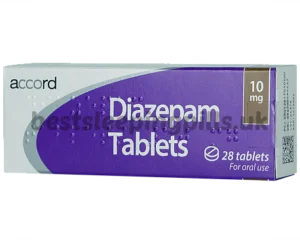
Accord Diazepam 10mg Tablets (Diazepam): Anxiety, Muscle Spasm & Seizure UK Guide
Accord Diazepam 10 mg Tablets contain 10 mg of diazepam, a benzodiazepine medicine with anxiolytic, muscle-relaxant, anticonvulsant and sedative properties. Diazepam may be prescribed for the short-term relief of severe anxiety, muscle spasms, certain types of epilepsy, acute alcohol withdrawal and selected situations requiring premedication. Accord-UK’s Diazepam Tablets BP 10 mg are a prescription-only medicine in the UK.
For adults prescribed Diazepam 10 mg, the appropriate dose depends on the medical condition, severity of symptoms, age, individual response and other medicines being taken. Diazepam should generally be used at the lowest effective dose for the shortest appropriate duration because repeated or prolonged use can cause tolerance, dependence, addiction and withdrawal symptoms. Treatment for anxiety should generally not continue beyond 4 weeks, including any period required for gradual dose reduction.
What Is Accord Diazepam 10mg Used For?
- Severe Anxiety: Diazepam is indicated for the short-term relief of anxiety that is severe, disabling or causing unacceptable distress.
- Muscle Spasm: Diazepam has muscle-relaxant properties and may be prescribed for muscle spasm and certain forms of spasticity.
- Epilepsy: Diazepam has anticonvulsant activity and may be used as an adjunct in the management of certain types of epilepsy under appropriate clinical supervision.
- Acute Alcohol Withdrawal: Diazepam may be prescribed for the symptomatic treatment of acute alcohol withdrawal when clinically appropriate.
- Premedication: Diazepam may be used before certain medical or surgical procedures as a premedication when specifically prescribed.
- Prescription Treatment: Accord Diazepam 10 mg Tablets are a prescription-only medicine and should be used under appropriate medical supervision.
Diazepam is generally reserved for short-term or specific clinical use because repeated or prolonged treatment increases the risk of tolerance, dependence and withdrawal. The dose and treatment duration should be determined according to the indication and individual clinical circumstances.
How Does Accord Diazepam 10mg Work?
Diazepam enhances the effects of gamma-aminobutyric acid (GABA) at GABA-A receptors in the central nervous system. This increases inhibitory activity within the brain and produces anxiolytic, sedative, muscle-relaxant and anticonvulsant effects. These pharmacological properties explain why diazepam can be used for severe anxiety, muscle spasm, certain seizure disorders and acute alcohol withdrawal. Its effects can also cause drowsiness, reduced alertness and impaired coordination, particularly when combined with alcohol or other central nervous system depressants.
How to Take Accord Diazepam 10mg Tablets
- Oral Administration: Accord Diazepam 10 mg Tablets should be taken by mouth exactly as prescribed by your doctor.
- Anxiety States: Adult dosing for anxiety may range from 5 mg to 30 mg daily in divided doses, with the lowest effective dose generally recommended.
- Insomnia With Anxiety: When insomnia is associated with anxiety, the stated adult dose is generally 5 mg to 15 mg before bedtime.
- Muscle Spasm: Depending on the cause and clinical circumstances, adult dosing may range from 5 mg to 15 mg daily in divided doses.
- Epilepsy: When used as an adjunct for epilepsy, the dose may vary substantially and should be determined by the prescribing clinician according to the individual’s condition.
- Older Adults: Elderly and debilitated patients generally require lower doses because they may be more sensitive to the effects of diazepam.
- Liver or Kidney Problems: Patients with hepatic or severe renal impairment may require dose reduction or an alternative treatment depending on individual circumstances.
- Avoid Alcohol: Alcohol should be avoided during diazepam treatment because it can substantially increase sedation and central nervous system depression.
Diazepam should be taken at the prescribed dose and frequency without independently extending treatment. For anxiety, treatment should generally not continue beyond 4 weeks, including the period needed for gradual dose reduction. Long-term use is generally avoided because of tolerance and dependence risks, and continued treatment should be regularly reviewed by the prescribing clinician.
Accord Diazepam 10mg Side Effects
- Fatigue
- Headache
- Dizziness
- Confusion
- Drowsiness
- Blurred Vision
- Muscle Weakness
- Memory Problems
- Reduced Alertness
- Impaired Coordination
Important Warnings and Precautions
- Alcohol: Alcohol can substantially increase the sedative and central nervous system depressant effects of diazepam and should be avoided during treatment.
- Opioids: Combining diazepam with opioids increases the risk of profound sedation, respiratory depression, coma and potentially fatal outcomes.
- Other CNS Depressants: Sedative medicines, anaesthetics and other central nervous system depressants can intensify the effects of diazepam.
- Sedating Medicines: Certain antihistamines, antidepressants and other medicines may increase drowsiness and impairment when taken with diazepam.
- Dependence and Addiction: Diazepam can cause physical and psychological dependence, particularly with repeated or prolonged use.
- Tolerance: Repeated use can reduce the effects of diazepam and may increase the risk of inappropriate dose escalation.
- Withdrawal Symptoms: Sudden discontinuation can cause anxiety, insomnia, agitation, tremor, sweating and other withdrawal symptoms.
- Seizure Risk: Severe benzodiazepine withdrawal can include seizures and other serious complications, particularly after prolonged or high-dose treatment.
- Driving and Machinery: Diazepam can cause drowsiness, impaired concentration, blurred vision, muscle weakness and reduced coordination, which can make driving or operating machinery unsafe.
- Respiratory Depression: Serious breathing problems can occur, particularly following excessive doses or when diazepam is combined with opioids or other central nervous system depressants.
- Paradoxical Reactions: Some patients may experience agitation, aggression, confusion or other unusual behavioural reactions instead of the expected sedative effects.
Patients should tell their doctor or pharmacist about all medicines, supplements and recreational substances being used before taking diazepam. Severe sedation, breathing difficulties, loss of consciousness or signs of a serious allergic reaction require urgent medical attention. Excessive diazepam can cause profound sedation, impaired coordination, respiratory depression and potentially coma, particularly when combined with alcohol or other depressants.
Stopping Accord Diazepam 10mg Treatment
Diazepam should generally be reduced gradually rather than stopped suddenly, particularly after repeated or prolonged treatment. Gradual dose reduction helps reduce the risk of withdrawal symptoms and other complications. The tapering schedule should be determined by the prescribing clinician according to the dose, duration of treatment and individual circumstances.
Frequently Asked Questions
Is Diazepam 10mg a high dose?
Diazepam 10 mg is one of the available tablet strengths, but whether it is an appropriate dose depends on the condition being treated, the patient’s age, response, medical history and other medicines. Diazepam should be taken only at the dose prescribed.
How long can Diazepam 10mg be taken for anxiety?
Treatment for anxiety should generally not continue beyond 4 weeks, including any period needed for gradual dose reduction. Longer or repeated treatment increases the risk of tolerance, dependence and withdrawal.
Can Diazepam 10mg cause dependence?
Yes. Diazepam can cause physical and psychological dependence, particularly with repeated or prolonged use. The risk increases with higher doses and longer treatment durations.
Can Diazepam 10mg be taken with alcohol?
Alcohol should be avoided while taking diazepam. Combining the two can significantly increase sedation and central nervous system depression and may increase the risk of serious breathing problems and other complications.
Can Diazepam 10mg be stopped suddenly?
Diazepam should generally not be stopped suddenly after repeated or prolonged use. Abrupt discontinuation can cause withdrawal symptoms and, in severe cases, seizures. Treatment should normally be reduced gradually under medical supervision.